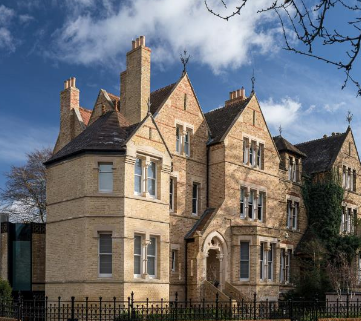
Owning or developing a listed building in the UK comes with unique challenges, particularly when it comes to obtaining planning permission. Since listed buildings are legally protected due to their historical and architectural significance, the planning process can be more complex and time-consuming. However, with the right approach, you can expedite the process and avoid unnecessary delays. Here’s how:
1. Understand the Listing Grade
Before submitting a planning application, it is crucial to understand the classification of your listed building:
– Grade I: Buildings of exceptional interest (only 2.5% of listed buildings)
– Grade II*: Particularly important buildings of more than special interest (about 5.5% of listed buildings)
– Grade II: Buildings of national importance and special interest (about 92% of all listed buildings)
The level of protection and the scrutiny of planning applications will depend on the grade of your building.
2. Engage with the Local Planning Authority (LPA) Early
Early discussions with your Local Planning Authority (LPA) can save valuable time. Many councils offer pre-application advice services that allow you to get feedback before formally submitting an application. This helps you understand potential concerns and tailor your proposal to align with regulations.