
Our blog
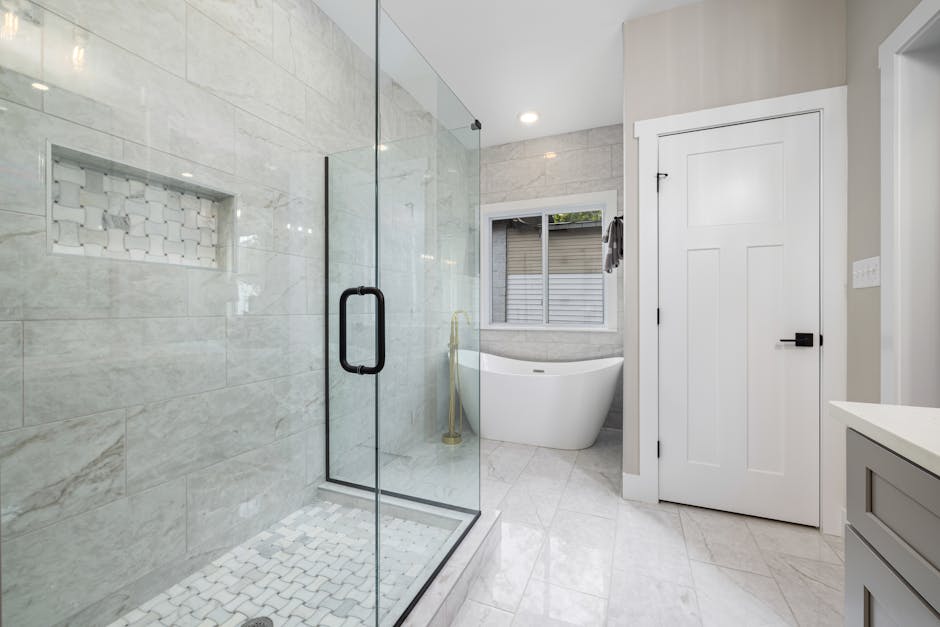
Planning a bathroom renovation that lasts
A bathroom renovation is one of the most satisfying home improvements, but it is also one where cutting corners shows quickly. Damp, mould, cracked tiles, and failing grout are all symptoms of bathrooms that were not built properly in the first place. Here is how to get it right.
Start with the layout
Before choosing tiles and taps, think carefully about the layout. Moving the position of the toilet, basin, or shower changes the drainage runs beneath the floor, which adds complexity and cost. If the existing layout works well, keeping the sanitaryware in roughly the same positions keeps the project simpler and more affordable.
Waterproofing is everything
The most important part of a bathroom renovation is the work you will never see. Tanking the shower area and around the bath with a proper waterproof membrane prevents moisture getting into the walls and floor structure. In older Oxford homes with timber floors, this is especially critical. Water damage to joists is expensive to repair and entirely preventable.
Ventilation
A bathroom without adequate ventilation will always have problems with condensation and mould, no matter how well it is finished. Building regulations require mechanical extraction in any bathroom without an openable window, and even in bathrooms with windows, an extractor fan is good practice. Humidity-sensing fans that run automatically are the most effective option.
Choosing materials
Natural stone tiles look beautiful but need sealing and more maintenance than porcelain. Large format tiles create a clean, modern look and have fewer grout lines to keep clean. For flooring, porcelain or vinyl are the most practical choices in a wet environment. Avoid laminate, which swells when it gets wet.
Heating
Underfloor heating in a bathroom is a relatively inexpensive addition during a renovation and makes an enormous difference to comfort. An electric mat beneath the floor tiles is straightforward to install and costs very little to run.
A well-built bathroom should last fifteen to twenty years without needing attention. The investment in doing it properly at the outset pays for itself many times over.
Read more

Passive house principles: lessons for Oxfordshire homes
The passive house standard originated in Germany in the 1990s and has become the gold standard for energy-efficient building. While achieving full certification on an existing Oxford home is rarely practical, the underlying principles can dramatically improve comfort and reduce energy bills.
What is passive house?
A passive house is designed to need almost no active heating or cooling. It achieves this through exceptional insulation, airtight construction, triple-glazed windows, and mechanical ventilation with heat recovery. A certified passive house uses up to 90 percent less energy for heating than a conventional building.
Applying the principles to renovations
You do not need to build from scratch to benefit. When renovating an older home, each of these principles can be applied to varying degrees.
Insulation is the single biggest improvement you can make. Internally lining external walls, insulating beneath floors, and adding insulation at roof level will transform how a draughty Oxford home feels in winter. The key is to insulate continuously, avoiding gaps and thermal bridges where heat escapes.
Airtightness is the second priority. Sealing around windows, doors, service penetrations, and junctions between walls and floors prevents warm air leaking out. This does not mean the house cannot breathe. A mechanical ventilation system with heat recovery brings in fresh air while capturing the warmth from the outgoing stale air.
Windows are the weakest point in any building envelope. Upgrading to double or triple glazing with low-emissivity coatings and insulated frames makes a significant difference. Positioning larger windows on south-facing elevations captures free solar heat in winter.
Is it worth the investment?
Energy-efficient upgrades pay for themselves over time through lower bills, and they make the home noticeably more comfortable from day one. With energy prices unlikely to fall, investing in the fabric of your home is one of the smartest long-term decisions you can make.
Read more

Building regulations explained: what your builder should handle
Building regulations are one of those topics that cause unnecessary anxiety. They exist to ensure buildings are safe and energy efficient, and a competent builder will manage the process as part of any project. Here is what you need to know.
Building regulations vs planning permission
These are two separate systems that are often confused. Planning permission is about whether you are allowed to build something in a particular location. Building regulations are about how the work is carried out, covering structural safety, fire protection, insulation, ventilation, drainage, and electrical safety. You can need one without the other, or both.
When are building regulations required?
Almost any structural work requires building regulations approval. This includes extensions, loft conversions, removing load-bearing walls, rewiring, installing new heating systems, and replacing windows. Minor work like redecorating, replacing a kitchen, or building a small garden shed is generally exempt.
How the process works
There are two routes to compliance. A full plans application involves submitting detailed drawings to the local authority or an approved inspector before work starts. The alternative is a building notice, which is simpler but gives less certainty upfront. For anything beyond a straightforward project, full plans are usually the better option.
During the build, an inspector will visit at key stages such as foundations, damp proof course, drainage, and completion. Your builder should know when to book these inspections and what needs to be ready at each stage.
Completion certificates
When the work is finished and passes final inspection, you receive a completion certificate. This is an important document. If you ever sell your home, your solicitor will need to see completion certificates for any regulated work. Missing certificates can delay or even derail a sale, so always make sure you receive yours.
A good builder will handle building regulations as a routine part of the job. If someone suggests skipping the process to save time or money, that is a warning sign.
Read more

Garden rooms: adding space without extending your home
Not every space problem requires a house extension. Garden rooms have surged in popularity, offering a self-contained room at the bottom of the garden for a fraction of the cost and disruption of a traditional build.
What counts as a garden room?
A garden room is a freestanding outbuilding, typically insulated and finished to a standard that makes it usable year-round. They range from simple timber-framed structures to fully serviced buildings with electricity, heating, and plumbing. Most are used as home offices, studios, gyms, or guest accommodation.
Planning permission
Under permitted development, outbuildings are allowed without planning permission provided they meet certain conditions. They must be single storey, must not cover more than half the garden, and must not exceed 2.5 metres in height if within two metres of a boundary. In conservation areas, additional restrictions apply on size and positioning. If you want to use the building as a separate dwelling, planning permission will always be required.
Build quality matters
The garden room market is flooded with flat-pack options of varying quality. A poorly insulated pod will be freezing in winter and baking in summer, making it useless for half the year. Investing in proper insulation, double glazing, and a small heating system makes the difference between a glorified shed and a genuine extra room.
Services
Running electricity to a garden room should be done by a qualified electrician and will need to be signed off under building regulations. If you are adding a bathroom or kitchenette, you will also need water supply and drainage. Planning the route for these services at the design stage avoids expensive retrospective work.
For many Oxford homeowners with decent-sized gardens, a garden room is the most practical and affordable way to gain an extra room without the upheaval of building onto the house.
Read more

Restoring original features: sash windows, cornicing, and fireplaces
One of the great pleasures of owning a period property in Oxford is the craftsmanship that went into the original details. Sash windows, decorative plasterwork, and fireplaces give these homes their soul. Sadly, many of these features have been damaged, covered up, or removed over the decades. Restoring them is always worth the effort.
Sash windows
Original timber sash windows are one of the most common casualties of well-meaning modernisation. Many were replaced with uPVC in the 1980s and 90s. Where the originals survive, they can almost always be repaired rather than replaced. Draught-proofing, new sash cords, and careful repainting can make a single-glazed sash window surprisingly airtight. For improved thermal performance, slim double-glazed units can now be fitted into the original frames.
In a listed building or conservation area, replacing original windows without consent is a criminal offence. Even where replacement is permitted, like-for-like timber sashes are usually required.
Cornicing and ceiling roses
Plaster cornicing is often hidden above modern suspended ceilings or damaged by water leaks. A skilled plasterer can repair broken sections using moulds taken from surviving pieces. Where cornicing has been entirely removed, architectural salvage yards sometimes stock matching profiles, or new runs can be cast from a neighbouring house of the same era.
Fireplaces
Many Oxford homes had their fireplaces boarded up or ripped out during the mid-twentieth century when central heating arrived. Behind the boarding you will often find the original surround intact, sometimes with decorative tiles still in place. Reopening a fireplace requires checking the flue for safety and may need relining if you plan to use it for a wood burner.
Even if you do not intend to light fires, a restored fireplace provides a focal point that anchors the room in its history. Paired with a mantelpiece sourced from a local reclamation yard, it can transform a bland living room into something with real character.
Read more
Open plan living: does it suit every home?
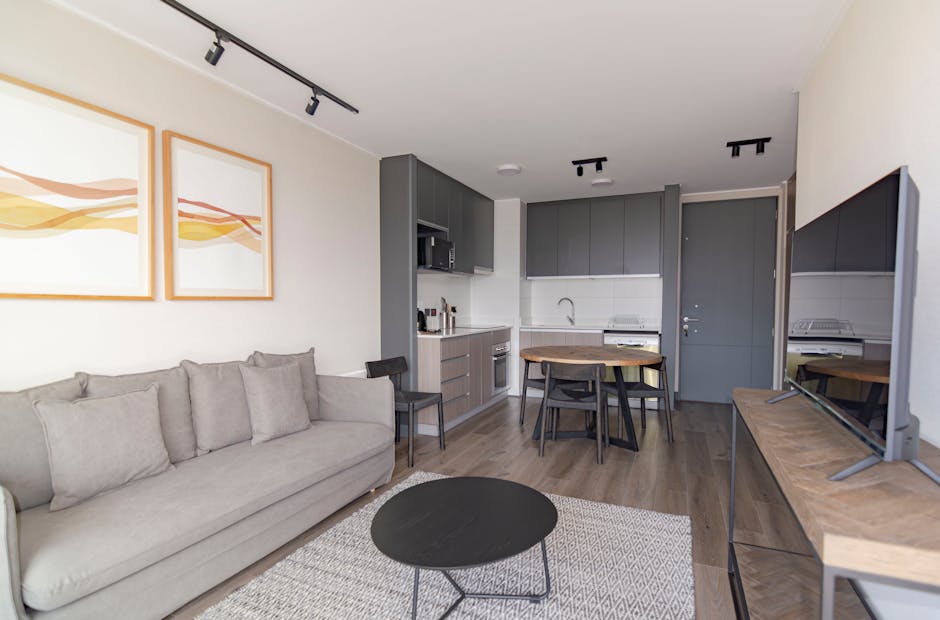
Knocking through walls to create open plan living spaces has been one of the most popular home improvements of the past decade. But while it suits many properties, it is not always the right answer. Before you pick up a sledgehammer, here are some things to consider.
The appeal
Open plan layouts connect the kitchen, dining, and living areas into one flowing space. They make homes feel larger, improve sightlines, and let families be together even when they are doing different things. For entertaining, they are hard to beat.
When it works well
Open plan living suits properties where the existing rooms are small and disconnected. Many Victorian and Edwardian homes in Oxford have a series of narrow rooms along a hallway that feel dark and cramped. Removing the dividing walls and opening onto the garden can completely change the feel of the ground floor.
When to think twice
In some homes, separate rooms serve a purpose. If you work from home and need a quiet space away from the kitchen, or if family members have different schedules, having distinct rooms with doors that close offers flexibility that open plan does not. Noise travels easily across open plan spaces, and cooking smells will reach every corner.
The broken plan compromise
A middle ground that has become popular is broken plan living. Instead of removing walls entirely, you might use partial walls, sliding doors, or changes in floor level to define different zones within a larger space. This gives the openness and light of open plan while allowing areas to be separated when needed.
Structural implications
Most internal walls in older properties are load-bearing. Removing them requires steel beams to carry the load above, and this is work that needs a structural engineer and an experienced builder. The cost of the steelwork and making good can vary considerably depending on the span involved.
The best approach is to start with how you actually live in your home, rather than following a trend. A good architect will help you find the layout that works for your family.
Read more
Loft conversions in Oxford: a practical guide
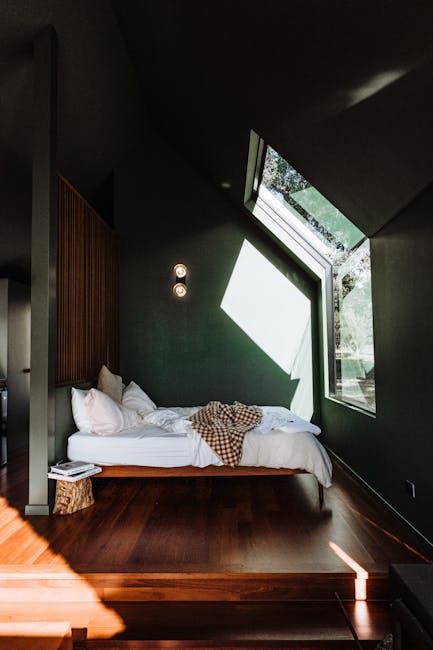
When you need more space but love your location, looking up is often the answer. Loft conversions are one of the most cost-effective ways to add a bedroom, office, or bathroom to an Oxford home without extending the footprint of the building.
Types of loft conversion
The simplest option is a roof light conversion, where Velux windows are installed into the existing roof slope. This works well where there is already good head height. A dormer conversion adds a box-shaped structure to the rear of the roof, creating usable floor space with full standing height. For terraced and semi-detached houses in Oxford, a rear dormer is the most common approach.
Do you need planning permission?
Most loft conversions fall under permitted development, meaning no planning application is needed. However, there are limits on volume, height, and positioning. In conservation areas, which cover large parts of central and suburban Oxford, additional restrictions apply. Roof extensions visible from the street may not be permitted, and materials must match the existing property.
Party wall considerations
If your home is semi-detached or terraced, any work that affects the party wall or involves building up against it requires a party wall agreement with your neighbour. This is a legal process that should be started well before the build begins.
Staircase planning
One of the trickiest parts of a loft conversion is fitting the staircase. Building regulations require a permanent fixed staircase, not a ladder, and the design needs to work with the floor plan below. A good architect will find a solution that does not sacrifice too much space from the existing rooms.
A loft conversion typically takes six to eight weeks on site and can add significant value to your home, often recouping the investment entirely at resale.
Read more

Why local stone matters in Oxfordshire builds
Walk through any village in Oxfordshire and you will notice a consistency in the buildings. The warm honey tones of local limestone give the region its distinctive character, and using the right stone in new builds and extensions is not just an aesthetic choice, it is often a planning requirement.
The geology of Oxfordshire
The county sits on a belt of Jurassic limestone that stretches from the Cotswolds down through the Thames Valley. Different quarries produce subtly different colours and textures. Stone from the north of the county tends to be warmer and more golden, while stone further south can be paler with grey undertones. Matching the local stone is important for any project that needs to blend with its surroundings.
When is natural stone required?
In conservation areas and for work to listed buildings, planners will almost always require natural stone rather than reconstituted alternatives. Even outside these protected areas, using local stone demonstrates an understanding of place that planning officers appreciate.
Reconstituted vs natural
Reconstituted stone, made from crushed limestone bound with cement, is cheaper and more uniform. It can look convincing initially, but tends to weather differently from natural stone. Over time the cement content can give it a grey cast that stands out against genuine limestone. For prominent elevations and heritage settings, natural stone is always the better investment.
Sourcing and cost
Several quarries still operate in Oxfordshire, and a good builder will have relationships with local suppliers. Specifying stone early in the project avoids delays, as some types need to be cut to order. The cost premium over reconstituted stone is typically between 20 and 40 percent, but the long-term appearance and durability make it worthwhile.
Stone is not just a material. In Oxfordshire, it is part of the identity of the built environment, and getting it right shows respect for the place.
Read more
Kitchen extensions: making the most of an Oxford terrace
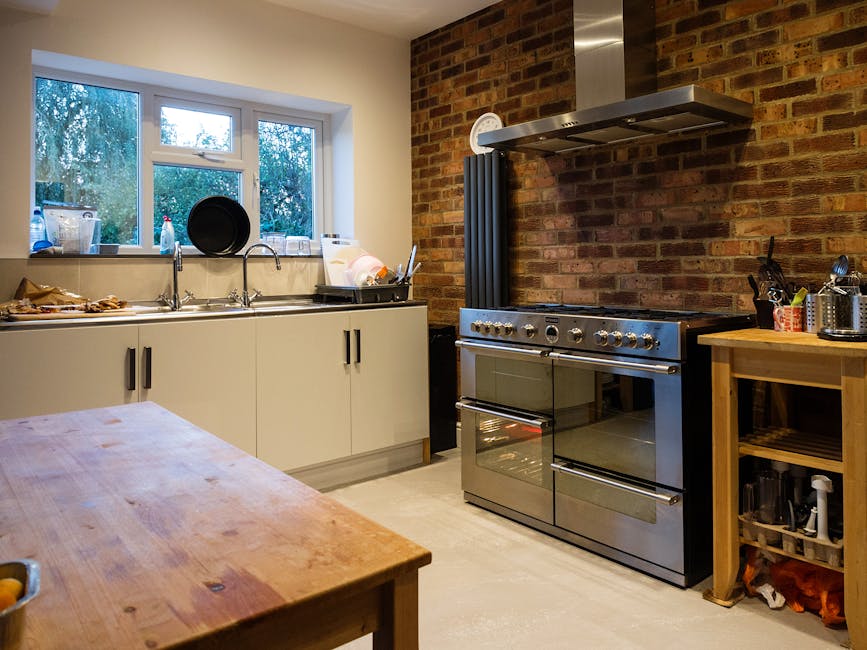
Oxford is full of Victorian and Edwardian terraced houses, and for many families the kitchen is the room that needs the most attention. A rear kitchen extension is one of the most effective ways to transform a narrow terrace into a home that works for modern life.
How far can you extend?
Under permitted development rights, single-storey rear extensions on terraced houses can extend up to three metres without needing planning permission. For anything larger, a full planning application is required. In Oxford’s conservation areas, permitted development rights may be more restricted, so it is always worth checking with the council early.
Side return extensions
Many Oxford terraces have an unused alleyway running down one side of the house. Extending into this side return is a popular option that can add significant width to a kitchen without eating into the garden. Combined with a rear extension, it can create a generous open plan kitchen and dining space.
Bringing in light
One of the biggest benefits of extending is the opportunity to flood the space with natural light. Roof lanterns, large sliding doors onto the garden, and glazed side panels are all popular choices. In a north-facing terrace, getting the glazing right makes a dramatic difference to how the room feels.
Structural considerations
Terraced houses share party walls with neighbours, which means any structural work needs to comply with the Party Wall Act. Your builder should arrange party wall agreements before work begins to keep things smooth with the neighbours.
A well-designed kitchen extension does not just add space. It changes how you use the entire ground floor, connecting cooking, eating, and living in a way that suits how families actually spend their time.
Read more

Is underfloor heating worth it in a period home?
Underfloor heating has become increasingly popular in modern builds, but many owners of period properties in Oxford wonder whether it is a practical option for older homes. The short answer is yes, but the approach matters.
Wet vs electric systems
There are two main types of underfloor heating. Wet systems circulate warm water through pipes beneath the floor and are more efficient for whole-house heating. Electric mat systems are thinner and easier to retrofit into individual rooms. For period homes where lifting floorboards is not an option, electric mats installed beneath new tile or stone floors can be a good compromise.
Working with existing floors
Many older Oxford homes have beautiful original flagstone or timber floors. In some cases, underfloor heating can be installed beneath these without removing them, using low-profile systems that add only a few millimetres of height. Where floors are being replaced as part of a renovation, a wet system can be laid into a new screed.
Insulation is key
The biggest challenge in period properties is heat loss. Without adequate insulation beneath the heating system, much of the warmth will be absorbed into the ground rather than radiating upwards. A good installer will always address insulation before laying any pipework.
Running costs
Underfloor heating typically runs at a lower temperature than radiators, which makes it more efficient when paired with a heat pump. For homeowners looking to reduce their carbon footprint while keeping a period home comfortable, this combination is well worth considering.
The result is gentle, even warmth across the entire floor, no radiators cluttering your walls, and a system that works beautifully with the character of an older property.
Read more
What to expect from a full home renovation in Oxford
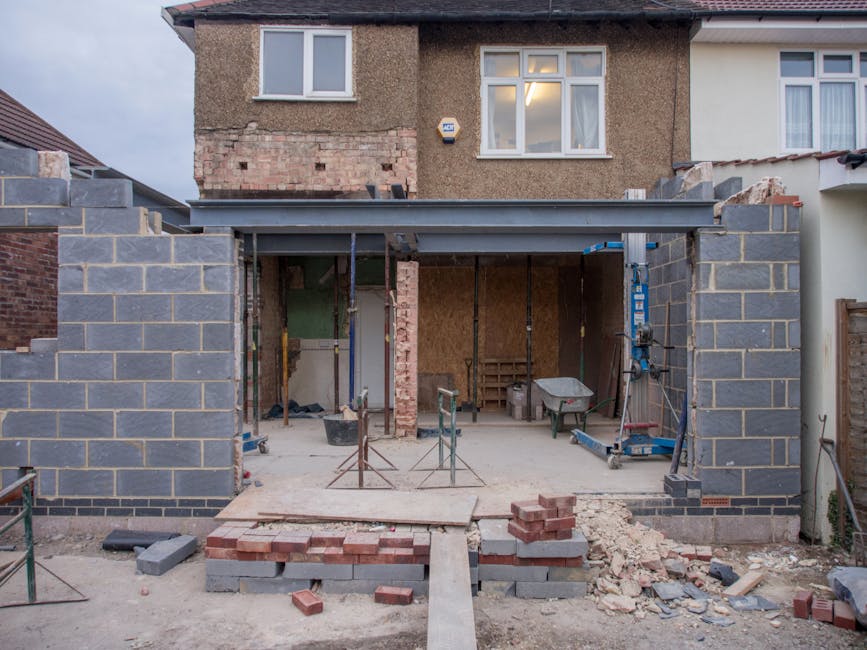
Undertaking a full home renovation is one of the most rewarding investments you can make, but it helps to know what the journey looks like before you begin. Whether you are modernising a period property or completely reimagining your living space, here is what to expect when renovating a home in Oxford.
1. Initial consultation and site survey
Every renovation begins with a thorough assessment of the property. A good builder will inspect the structure, identify any issues such as damp or subsidence, and discuss your goals for the project. In Oxford, where many homes date back centuries, this stage often reveals hidden character features worth preserving.
2. Design and planning
Once the scope is agreed, architects and designers will draw up plans. If your property is in a conservation area or is a listed building, you may need additional consents from the local planning authority. Starting this process early avoids delays further down the line.
3. Setting a realistic budget
A full renovation can vary significantly in cost depending on the size of the property and the specification of finishes. It is wise to set aside a contingency of around 10 to 15 percent for unexpected discoveries, particularly in older Oxford homes where original features can throw up surprises once walls are opened up.
4. The build phase
This is where the transformation happens. Expect a degree of disruption, especially if you are living on site. A well-organised contractor will provide a clear programme of works so you know what is happening each week. Structural work comes first, followed by first fix electrics and plumbing, plastering, and finally second fix and finishing.
5. Snagging and handover
Before the project is complete, you will walk through the property with your builder to identify any minor defects or finishing touches. This snagging process ensures everything meets the agreed standard before final payment is made.
A full renovation takes careful planning and the right team, but the end result is a home tailored exactly to how you want to live.
Read more
How to extend a house in a conservation area
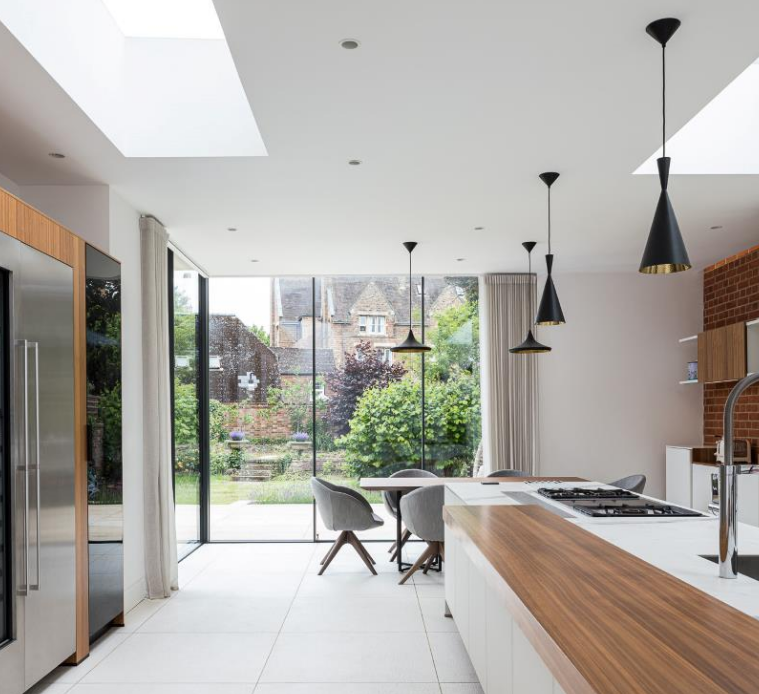
Owning or developing a listed building in the UK comes with unique challenges, particularly when it comes to obtaining planning permission. Since listed buildings are legally protected due to their historical and architectural significance, the planning process can be more complex and time-consuming. However, with the right approach, you can expedite the process and avoid unnecessary delays. Here’s how:
1. Understand the Listing Grade
Before submitting a planning application, it is crucial to understand the classification of your listed building:
– Grade I: Buildings of exceptional interest (only 2.5% of listed buildings)
– Grade II*: Particularly important buildings of more than special interest (about 5.5% of listed buildings)
– Grade II: Buildings of national importance and special interest (about 92% of all listed buildings)
The level of protection and the scrutiny of planning applications will depend on the grade of your building.
2. Engage with the Local Planning Authority (LPA) Early
Early discussions with your Local Planning Authority (LPA) can save valuable time. Many councils offer pre-application advice services that allow you to get feedback before formally submitting an application. This helps you understand potential concerns and tailor your proposal to align with regulations.
Read more
proud to be members of FMB, NFB & HBF



Ready to start your project?
Talk to one of our experienced builders