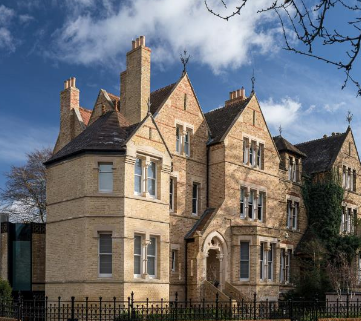
One of the great pleasures of owning a period property in Oxford is the craftsmanship that went into the original details. Sash windows, decorative plasterwork, and fireplaces give these homes their soul. Sadly, many of these features have been damaged, covered up, or removed over the decades. Restoring them is always worth the effort.
Sash windows
Original timber sash windows are one of the most common casualties of well-meaning modernisation. Many were replaced with uPVC in the 1980s and 90s. Where the originals survive, they can almost always be repaired rather than replaced. Draught-proofing, new sash cords, and careful repainting can make a single-glazed sash window surprisingly airtight. For improved thermal performance, slim double-glazed units can now be fitted into the original frames.
In a listed building or conservation area, replacing original windows without consent is a criminal offence. Even where replacement is permitted, like-for-like timber sashes are usually required.
Cornicing and ceiling roses
Plaster cornicing is often hidden above modern suspended ceilings or damaged by water leaks. A skilled plasterer can repair broken sections using moulds taken from surviving pieces. Where cornicing has been entirely removed, architectural salvage yards sometimes stock matching profiles, or new runs can be cast from a neighbouring house of the same era.
Fireplaces
Many Oxford homes had their fireplaces boarded up or ripped out during the mid-twentieth century when central heating arrived. Behind the boarding you will often find the original surround intact, sometimes with decorative tiles still in place. Reopening a fireplace requires checking the flue for safety and may need relining if you plan to use it for a wood burner.
Even if you do not intend to light fires, a restored fireplace provides a focal point that anchors the room in its history. Paired with a mantelpiece sourced from a local reclamation yard, it can transform a bland living room into something with real character.