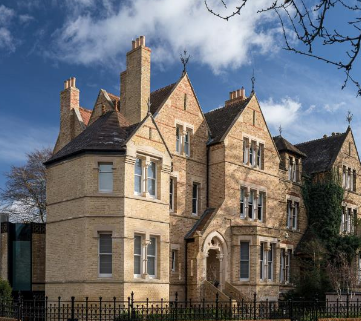
Walk through any village in Oxfordshire and you will notice a consistency in the buildings. The warm honey tones of local limestone give the region its distinctive character, and using the right stone in new builds and extensions is not just an aesthetic choice, it is often a planning requirement.
The geology of Oxfordshire
The county sits on a belt of Jurassic limestone that stretches from the Cotswolds down through the Thames Valley. Different quarries produce subtly different colours and textures. Stone from the north of the county tends to be warmer and more golden, while stone further south can be paler with grey undertones. Matching the local stone is important for any project that needs to blend with its surroundings.
When is natural stone required?
In conservation areas and for work to listed buildings, planners will almost always require natural stone rather than reconstituted alternatives. Even outside these protected areas, using local stone demonstrates an understanding of place that planning officers appreciate.
Reconstituted vs natural
Reconstituted stone, made from crushed limestone bound with cement, is cheaper and more uniform. It can look convincing initially, but tends to weather differently from natural stone. Over time the cement content can give it a grey cast that stands out against genuine limestone. For prominent elevations and heritage settings, natural stone is always the better investment.
Sourcing and cost
Several quarries still operate in Oxfordshire, and a good builder will have relationships with local suppliers. Specifying stone early in the project avoids delays, as some types need to be cut to order. The cost premium over reconstituted stone is typically between 20 and 40 percent, but the long-term appearance and durability make it worthwhile.
Stone is not just a material. In Oxfordshire, it is part of the identity of the built environment, and getting it right shows respect for the place.